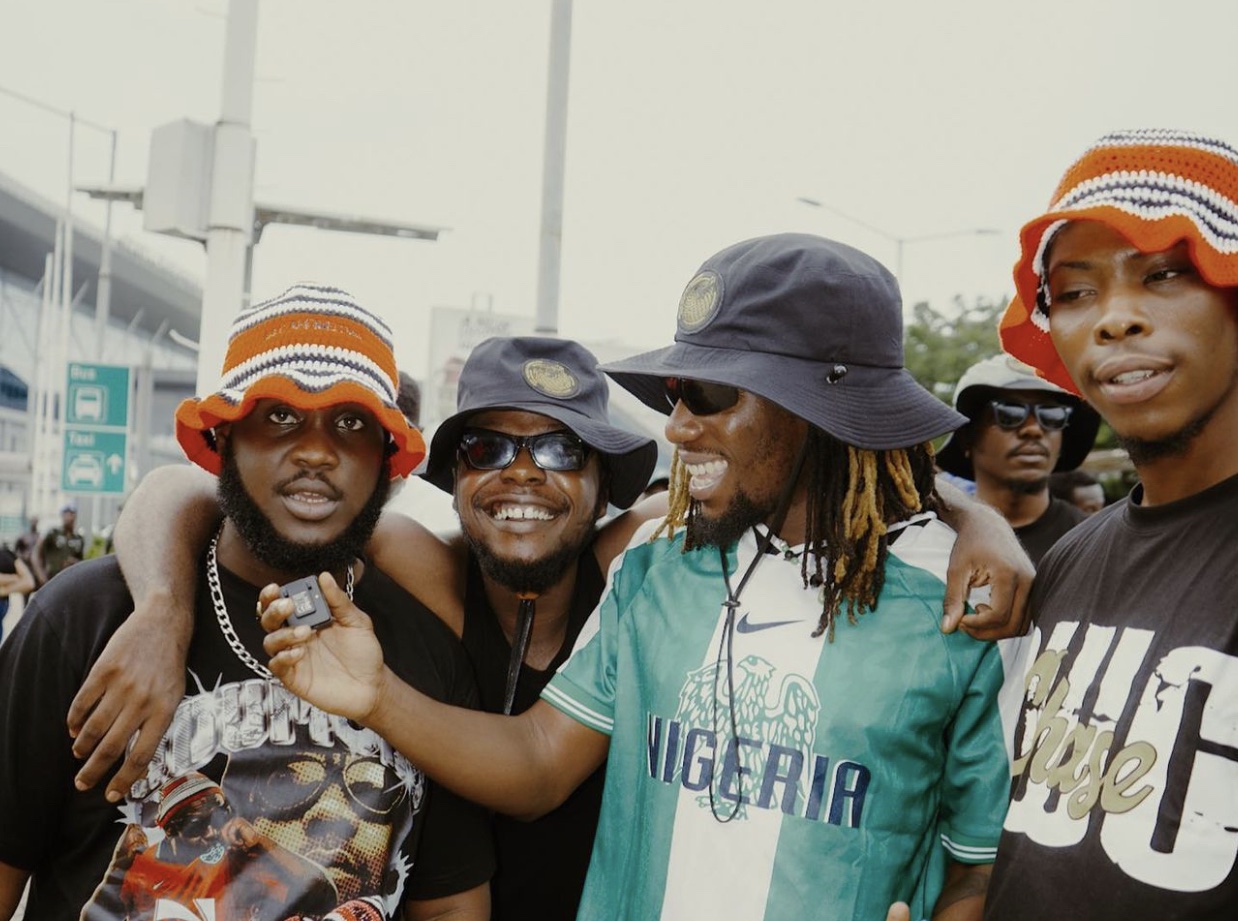
Back in high school, I had a sonic epiphany. The hair on my skin stood in awe as I watched the music video of Kendrick Lamar’s 2012 classic, “Sing About Me I’m Dying Of Thirst”. I was awed by the cadence, the rhyme-scheme and rhythm, and it marked the beginning of a life-long hunger for such expression.
I scampered across the bustling musicscape of Nigeria (before the global domination of Afrobeats), and I binged on the radical indigenous hip-hop of M.I. Abaga, Jesse Jagz, Ice Prince, Olamide, Dagrin, Lynxx, Reminisce, Vector, Phyno, L.O.S., and a host of other emcees who ruled the airwaves. With international awards, popular brand endorsements, and ever present local touring, hip-hop emcees reigned atop Nigeria’s bustling music scene. But then, pop-stars like Wizkid, Davido, Burna Boy, Tiwa Savage began to earn more co-signs, foreign direct investment, global music collaborations, and US-UK touring opportunities, until by the mid 2010s, hip-hop was left struggling for relevance.
A few acts like Ladipoe, Blaqbonez, Yung 6ix, Skales, or Psycho YP struck success with their hip-hop fusions, managing to keep the genre afloat. But these artists suffered disrespect and harsh criticism from its core audience. Another handful of rappers like MI Abaga, Olamide, Show Dem Camp, Reminisce, Phyno, and Illbliss kept pushing the sound’s boundaries, but their efforts felt like a drop in the ocean. Hip-hop needed much more than a few willing crusaders; it needed an army – of people, structures, and funding – to rise back to glory.
How could hip-hop survive this coup-de-état when its source, the West, had shifted its devotion to Naija Pop? When rap heavyweights like Skepta and Drake were mostly making music with pop stars like Wizkid, how could it stand a chance?
The answer was hidden in the example of the ‘80s and ‘90s when pioneering juggernauts DJ Ron Ekundayo, the trio Emphasis, the four-member group Pretty Busy Boys, the Run DMC’s of Nigeria Trybesmen, Remedies, Ruggedman, and Weird MC soundtracked the funk and disco-heavy American hip-hop into a creolised, local version. Or in the 2000s, when Eedris Abdulkareem (lead rap act of The Remedies), Dagrin, Reminisce and others began to release more rap music in indigenous languages like Yoruba, Hausa and Pidgin English. Nigerian hip-hop always found its future in creative fusions. Now, Nigerian hip-hop has been reinventing itself once again with likes of drill, grime and trap.
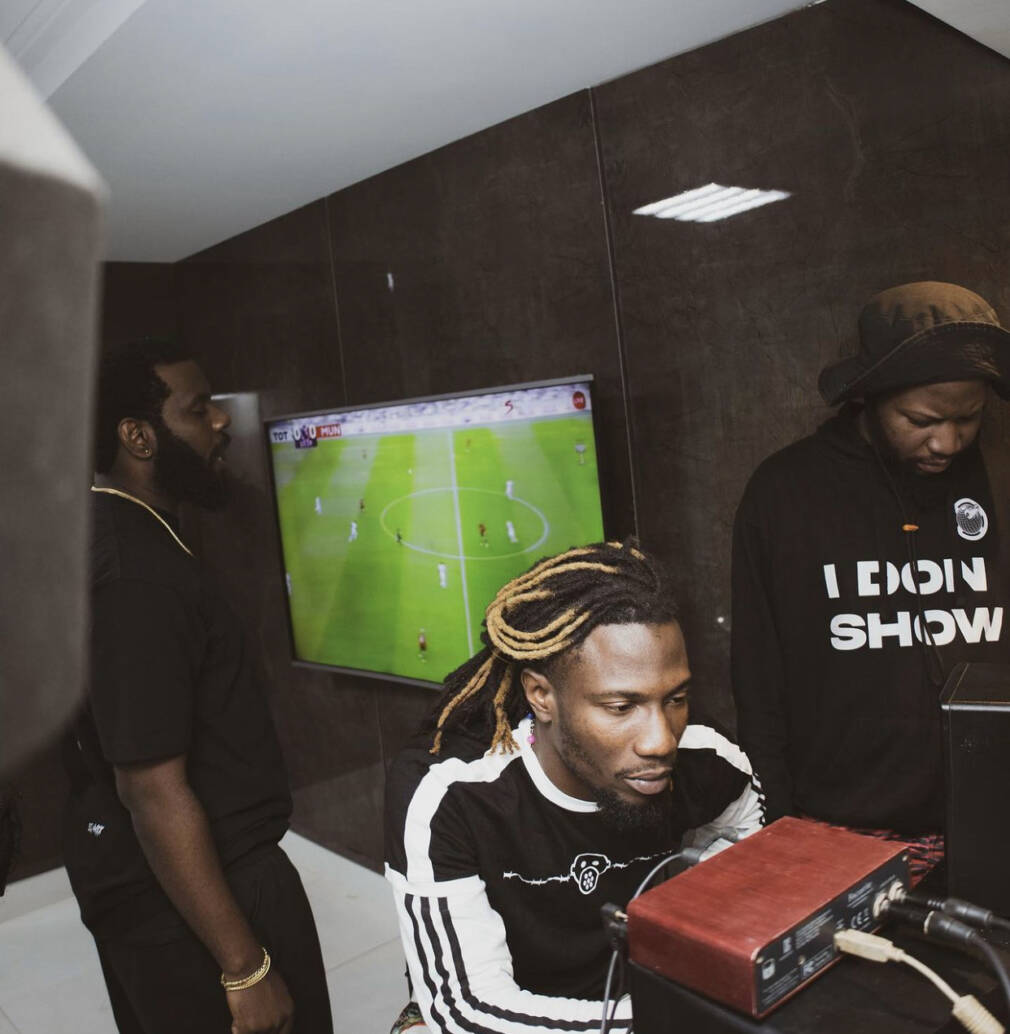
The collectives are born
When it was evident that major label funding for rappers was drying up, a pocket of young rappers within Abuja started building their own momentum within the hip-hop scene, with frequent releases, local show performances, and social media. Within the city’s hilly suburbs, these rappers began to connect with each other and establish friendships. As these friendships, a handful of which started at university, strengthened, they clustered into several collectives. By the end of the 2010s, we had groups like Apex Village, Kinfxlk (Kinfolk), Double Energy, Anti-world Gangstars, and CMG spring up as the newest knights of Nigerian hip-hop.
While some of the collectives also have RnB and Pop acts, especially as they also feature those genres in their work, the key focus of their work, for now, remains hip-hop. Some of them like Anti-world Gangsters with newer records are still using this template, with hip-hop in the focus.
“We were always just linking up around Gwarinpa, chilling. I make most of my music in Abuja and I barely record in Lagos or other places I go to. So, it was always a routine of just linking up and going to the studio, recording. Around 2018, I told them that we can do something more than just chilling and making music, and that’s how Apex Village started,” Psycho YP quips.
At the same time, other rappers across the city began to attach themselves to collectives, each differentiated by their ideology and style. While YP’s Apex Village embraced the hustler’s mentality with their Welcome To The Ville series, other groups like Anti-world Gangsters represented a resistance to ‘worldly’ institutions and the cultural status quo, like on their Gang Business mixtape. Then there was Kinfolk who documented the underground life of gangs in the individual releases of its progenitor Tomi Obanure, while Double Energy’s frontman, Eeskay, soared with similar machismo and rich storytelling in classics such as “Agbalagba” and “Cheffing” .
“It came from the point of building a tribe or a collective. We thought about it. ‘Why don’t we stick together?’ For instance, the Izgaju and Blacksheep (before they amalgamated to Antiworld Gangsters) were both against anything worldly. They came together and became anti-world. YP also has Apex Village. Eeskay with Double Energy, all standing for something,” said Afroselecta BBK, a producer and one-third of CMG Collective who also pioneered the introduction of drill in the country. .
While other (now-defunct) hip-hop collectives in Lagos, such as DRB Lasgidi, Choc Boyz, and L.O.S. were composed solely of musicians, the Abuja collectives operate like tea-sized labels with “videographers, stylists, and graphic designers,” joining the team, as Obanure notes. And while Apex Village, and Kinfolk Records are planning their transition into record labels, the foundation of these groups remains their sense of community.
A community of collectives
His eyes glistened with excitement, as he spoke. “Hip-hop is embraced in Abuja. Abuja people embrace their artists as their own,” Afroselecta.
The underground scene in Nigeria rotates a huge chunk of self-funded indie musicians across diverse genres. While the odds of finding mainstream popularity is higher in the country’s unofficial entertainment capital, Lagos, these Abuja collectives turned to a life of community, where their strength comes from structure rather than numbers.
“I remember vividly. We were just seated in my house in Area 3, Garki, during that COVID period. Myself, Odumodublvck, Eeskay, and Laxy BBK were together. It was around 4:00 am and we were just vibing. I found a certain sample that led to me tweaking one or two things and that night we recorded ‘Cheffing’, which gave Odumodu one of the biggest lines in his career then ‘How many men I go carry go Jesus?’ From there on we stayed together inside that house for months. We got a PS4 and kept recording a lot of music during the Covid-19 lockdown. It was at that time that Skepta had just put out a project called Insomnia. We made a pledge that we would keep putting out music till we couldn’t anymore. It became our drive, realising that there is no better time than now,” Afroselecta explains.
Apart from dropping music together and joint promotion of their collective tapes, these Abuja rappers also tap into the rare spirit of community, performing at shows together with the same energy they would have given their own projects.
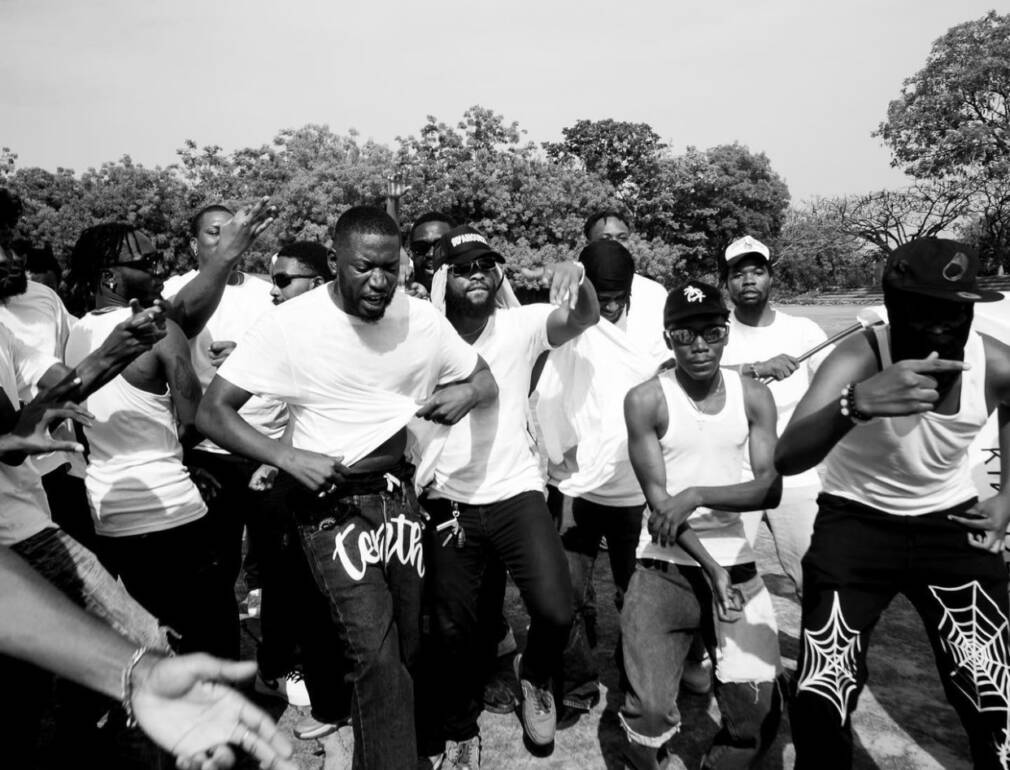
“I would say it is based on genuine love. I think the city has a role to play. It is a relatively small town. There is never any bad blood. There is no beef per se, where you would say, ‘I would never want to work with anybody.’ We are all boys essentially and you can see it from the way we defend and support each other,” Obanure notes.
For Reeplay, this familial system is one that helps the success of the collectives, while also having a ripple effect on their solo careers.
“For instance, everyone in Anti-world Gangstars all have their own fan base. As a collective, you should understand that all of that should come together as one if we are dropping a project together. People underestimate the power of social media. Once everybody in the gang posts on their social media, people would know that something is up. That is more clout for the project.”
Despite some of the collectives’ members like Psycho YP, and Odumodublvck, attaining more international recognition, the tradition of promoting each other’s music on social media has remained consistent.
As the Abuja collectives soared, so did their hunger for even more visibility. They collectively promoted their music, leveraging every friendship or acquaintance to secure radio and TV airplay, as well as performance opportunities at every major show that was held in the city and other neighborhoods across the country like Kaduna, Jos, Lagos, Ekiti, among others.
“When we started, we used performances to build our public acceptance. We became extreme and we did whatever it took – dance, jump inside the crowd and whatnot. We weren’t getting paid to do those shows and people knew that. We just came together and kept vibing. Everybody could see the energy. The consistency was clear. We just made sure that we were trying to push the music. Nobody was listening to the music apart from the people who already knew about the music, but the shows solidified everything on the backend. They saw that we were moving the way we sounded, and that’s how we built acceptance,” Eeskay noted.
As Reeplay mentioned, these acts of collectively bootstrapping each other is a vital tool for attracting investment opportunities like record deals. It’s the same springboard that shot Odumodublvck into the radar of Def Jam Recordings/Native Records, in 2023, and then to mainstream popularity.
“Here in Abuja, we don’t believe in waiting for labels to come and push you. If not, you are just going to be waiting forever. You have to push yourself to a certain level, before the labels come to find you. That is all we are doing. We put out works and projects and try to be as consistent as possible, hoping that our hard work would speak over time. It is working right now.”
Despite the strong bonds formed over the past couple of years, there’s presently some feuds between some key players in the collectives such as Eeskay (Double Energy) and Odumodublvck (Anti-world Gangstars), as well as Psycho YP (Apex Village) and Zilla Oaks (who exited Apex Village in 2023). Nonetheless, the ecosystem of collectives is still in the business of communal bootstrapping, and many other collectives are still actively promoting each other’s releases.
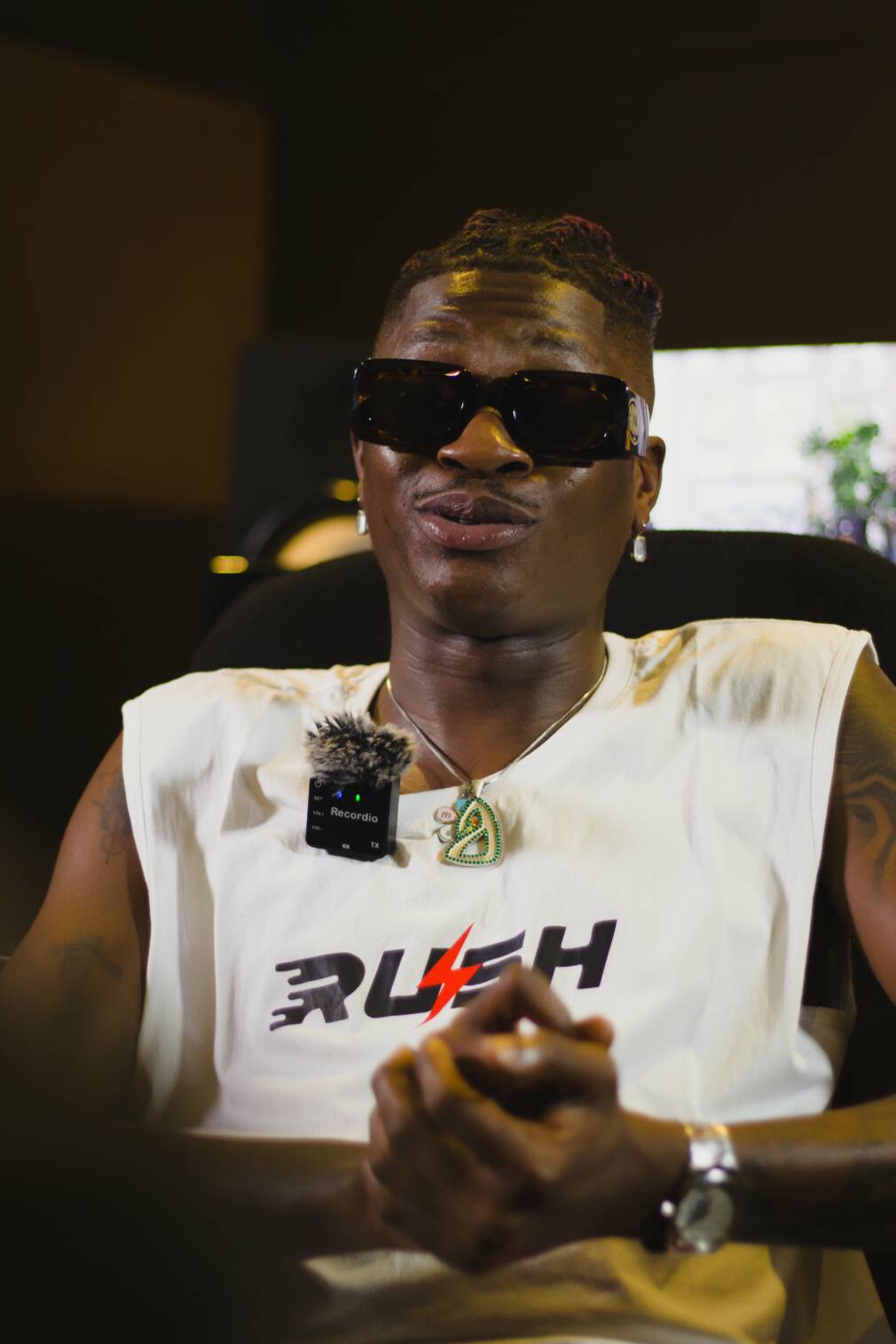
No smoke without fire
“There is no smoke without fire. I’m down to collaborate and support everyone out there. Everybody’s final goal and mission is to promote the art, but the side mission is the coup d’etat and trying to get hip-hop to this side. We are the headquarters,” Eeskay’s voice bellowed with almost the same intensity as his gaze. But rivalling Lagos’ monopoly of concerts, festivals, and cluster of international record labels, requires more than ambition. “For us, it is survival. What we need is some of these major structures abroad to come and set up a structure here in Abuja; so that it would happen like it is in America with Atlanta and New York,” Afroselecta suggests.
It’s nearly midnight and my mind is buzzing with surprise after seeing such a plethora of rappers blooming within Abuja. It was the release party for Odumodublvck’s Eziokwu album, and the entire community packed in till the wee hours of the morning, chanting their favourite lyrics back to him as he recorded a new milestone.
This communal energy and spirit of independence is the sharpest edge Abuja rappers have over artists in other parts of the country. It’s better for people like YP, who has turned down record deals in the past because they weren’t lucrative enough, or felt creatively stifling. It’s a springboard to get more exposure for one’s art and is a taking-off point for a thrilling rap career. Yet everyone agrees that signed or not, it doesn’t disturb the matrimony of ideals and collective membership.
Does Abuja have what it takes to resuscitate hip-hop in Nigeria? One might wonder. The impact of the Abuja collectives represent more than just a regional reality; it’s a smoke signal to the entire hip-hop community in Nigeria, Obanure notes. For him, it is going to take all hands on deck, to steer hip-hop back to gloried waters.
“Lagos, Abuja, and Port Harcourt we are in such a cocoon that we don’t have an idea of what is going on in other regions, say the East for example. We are in such a bubble that we think we are an end-all.”
Time to set the fire loose.


